Cat Silhouettes Vector Art Collection
A Designer’s First Look: Clean, Quiet, and Full of Charm
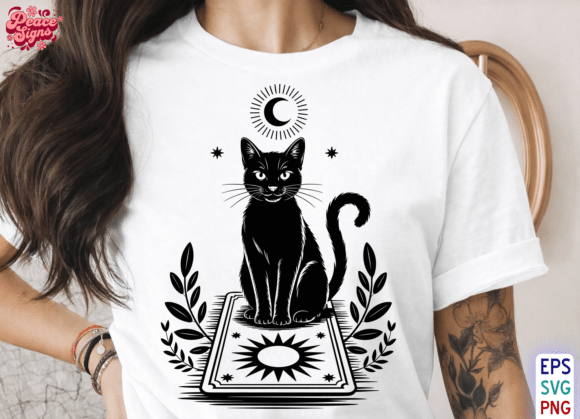
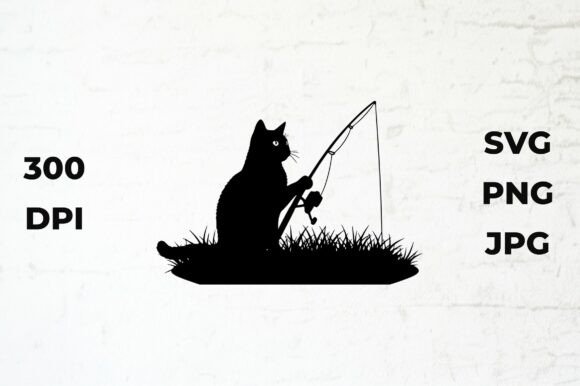
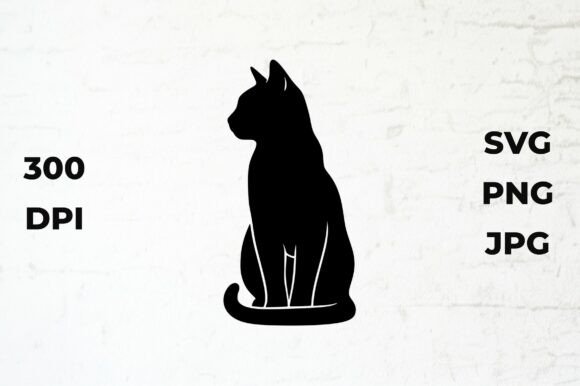
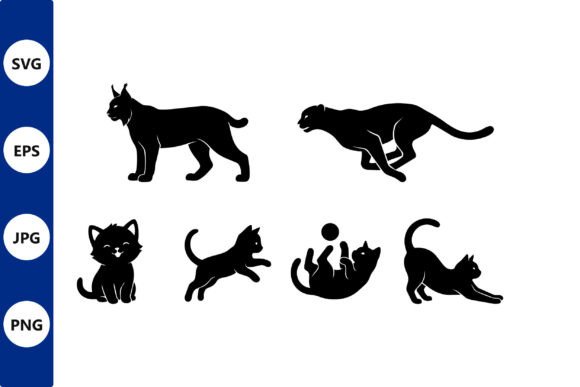
Opening Cat Silhouettes Vector Art Collection, I felt that familiar quiet thrill—like finding a well-cut fabric swatch or a perfectly balanced thread palette. These aren’t cartoon cats or whimsical doodles. They’re black cat silhouettes in various poses: curled, leaping, sitting alert, tail flicking—each one distilled to its essential shape. No gradients, no outlines, no noise. Just confident vector forms on white. That simplicity is their strength—and their first real test in embroidery.
What This Collection *Actually* Brings to Real Embroidery Projects
I tested one silhouette—a mid-size seated cat—on a natural linen tote bag for a local boutique launch. The result? Instant recognition, zero visual clutter, and a handmade elegance that customers paused to touch. That’s the magic of well-designed silhouettes in embroidery: they read clearly at a glance, stitch cleanly even with modest stitch density, and hold up beautifully across scales—from a 2-inch patch on a denim jacket to a 4-inch motif on a baby onesie.
This collection shines brightest in projects where subtlety and sophistication matter: nursery decor (think embroidered pillow covers or muslin tea towels), minimalist sweatshirt embroidery for small shop apparel, custom patches for craft fair badges, and personalized gifts like holiday kitchen towels or wedding guest favors. As an embroidery file, it’s especially effective as a standalone motif—not competing with text or complex layouts, but anchoring them.
Where It Works Smoothly—and Where You’ll Want to Pause
Works smoothly:
- Medium-weight cottons and linens (tote bags, aprons, tea towels)
- Stable knit fabrics with light stabilizer (baby onesies, crewneck sweatshirts)
- Flat, hoop-friendly surfaces (pillow fronts, flat caps, front-of-apron panels)
- Commercial embroidery runs where consistency matters—vector clarity translates directly to clean stitch registration
Use carefully:
- On highly textured fabrics (bouclé, thick terry cloth)—fine edges may blur in fill stitch
- For very small hoop sizes (<2.5 inches)—some poses include subtle curves and narrow tail tips that can lose definition below 1.75"
- On stretchy or thin fabrics (rayon challis, lightweight jersey) without proper cutaway stabilizer—silhouette integrity depends on fabric control
- Over dark fabric without testing thread contrast—black-on-black won’t read; off-black or charcoal thread often lifts the design more gracefully than pure black
- When layering over seams or curved surfaces (like back-of-cap embroidery)—simplify pose selection; avoid silhouettes with extended limbs or fine protrusions
How It Shapes Perception—Before and After Stitching
Customers don’t just buy a cat shape—they buy mood, intention, and care. Cat Silhouettes Vector Art Collection reads as intentional, not generic. That affects trust: a boutique buyer sees professionalism; a gift recipient feels thoughtfulness; an Etsy shopper clicks “add to cart” because it looks like something made *for* them—not mass-produced. In handmade product listings, pairing this design with soft neutral thread and natural fiber mockups elevates perceived value instantly.
It also supports brand consistency beautifully. Whether you’re building a pet-themed line, a minimalist home goods brand, or a cozy baby collection, these silhouettes act as quiet anchors—recognizable across products without shouting. And unlike busy illustrations, they scale cleanly into printable mockups and digital previews, helping your online shop feel cohesive and polished.
Practical Notes from the Hoop Bench
Before stitching your first project with Cat Silhouettes Vector Art Collection, here’s what I do—and recommend:
- Test on scrap fabric first—especially if using textured or dark material. Watch how satin stitch wraps tight curves and how running stitch handles long tail lines.
- Check thread color contrast in natural light. A deep espresso thread on oatmeal linen often reads richer than black on black.
- Review stitch density in your embroidery software. These silhouettes don’t need heavy fill—moderate density keeps them breathable and drape-friendly on apparel.
- Confirm hoop size compatibility. Some poses fit neatly in a 4x4 hoop; others benefit from 5x7 for breathing room around limbs and tails.
- Inspect small details at 200% zoom—especially ear tips, paw curves, and tail ends. If your machine tends to skip fine points, consider slight rounding or a 0.3mm stroke expansion before digitizing.
- Test black-and-white mockups—not just color. Silhouettes live or die by value contrast, not hue.
- Use appropriate stabilizer: tear-away for stable wovens, cutaway for knits, and lightweight fusible for delicate baby items.
- Verify licensing before selling finished items or bundling into digital embroidery kits. Since this is a Graphics download, confirm whether commercial use includes resale of physical products or only personal/hobby use.
Final Thought: Less Is Truly More—When It’s Done Right
I’ve passed on dozens of “cat-themed” embroidery files—too cute, too cluttered, too hard to digitize cleanly. Cat Silhouettes Vector Art Collection doesn’t try to be everything. It’s focused. It’s scalable. It’s quiet enough to let the fabric, the stitch, and the wearer speak—but strong enough to hold attention. For embroidery designers, Etsy sellers, and craft business owners who value clarity over clutter, this isn’t just another Illustrations pack. It’s a reliable, versatile, and quietly confident design asset—one that earns its place in your next embroidered tote bag, baby blanket, or holiday gift line.